
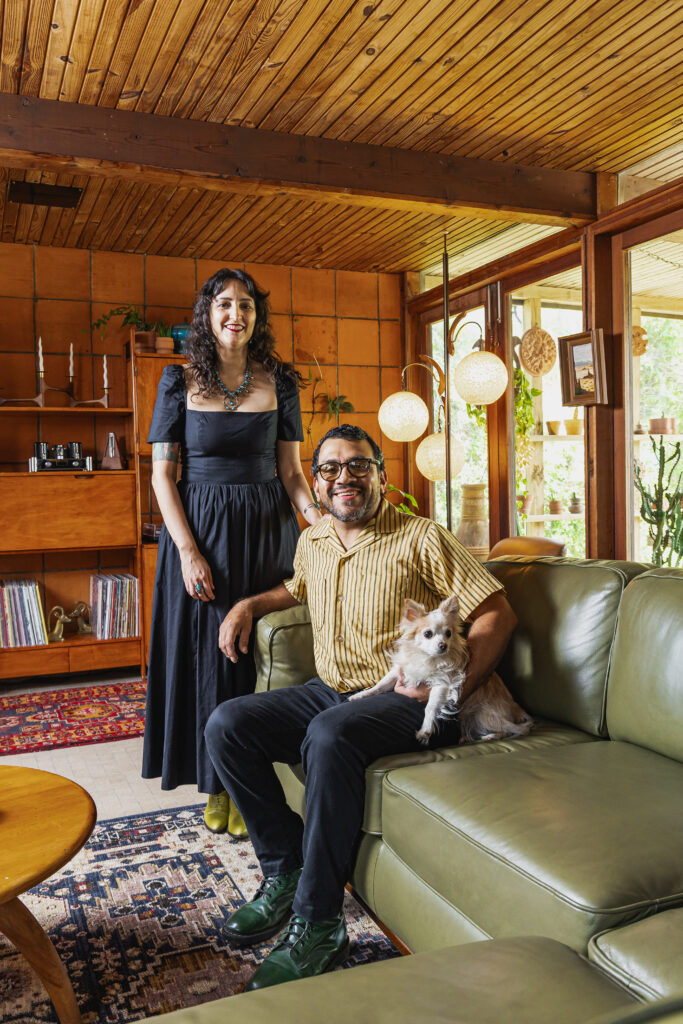
“From the moment we stepped onto the grounds, we felt an immediate sense of peace and a little bit of whimsy,” said Magenta Diaz. The personality of the structure and the surrounding yard permeate the home of Diaz and Tony Colunga—from the succulents and native plants to the sculptural pieces throughout the grounds, the curation begins the moment guests cross the property line.
This 1962 Joe Williams-designed home is reminiscent of what biophilic design could be, an approach that strengthens the connection between nature and the built environment. Williams designed this intention into the bones of the house with clean lines, an elongated floor plate and glass that keeps every room in conversation with the yard.
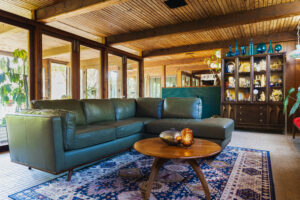
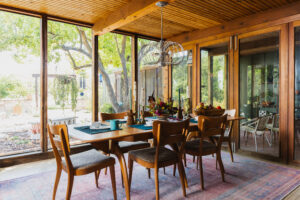
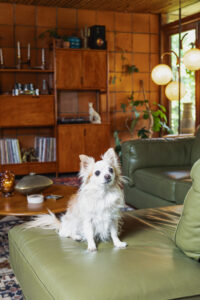
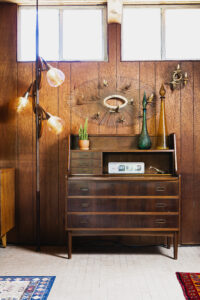
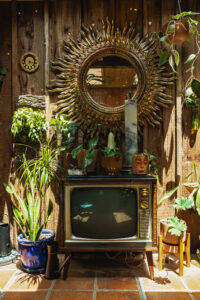
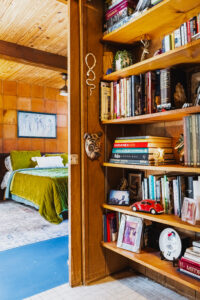
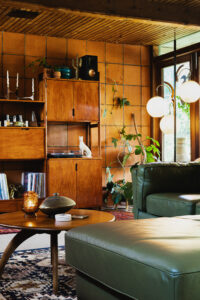
Diaz and Colunga answered in kind with their own personalities and sensibilities. Plants are thriving, curated mementos adorn the walls and countertops and vintage furniture pieces are perfectly placed, all creating a comfortable space that feels sophisticatedly homey. The sun room feels less like a room and more like a greenhouse someone decided to put a chair in, and where one would enjoy a nice summer evening with a book, ranch water and a warm breeze.
From their first visit, the couple felt an immediate connection, and submitted an offer the same day. A cash offer from another buyer outbid them. However, a month later, their Realtor called with news that the deal had fallen through and the house was theirs.
The couple had manifested their dream house, and in the process of making it their home, the projects began. Diaz and Colunga decided early on to respect the bones of the home and Williams’ original design intent. Their role, as they came to understand it, was less renovation and more restoration.
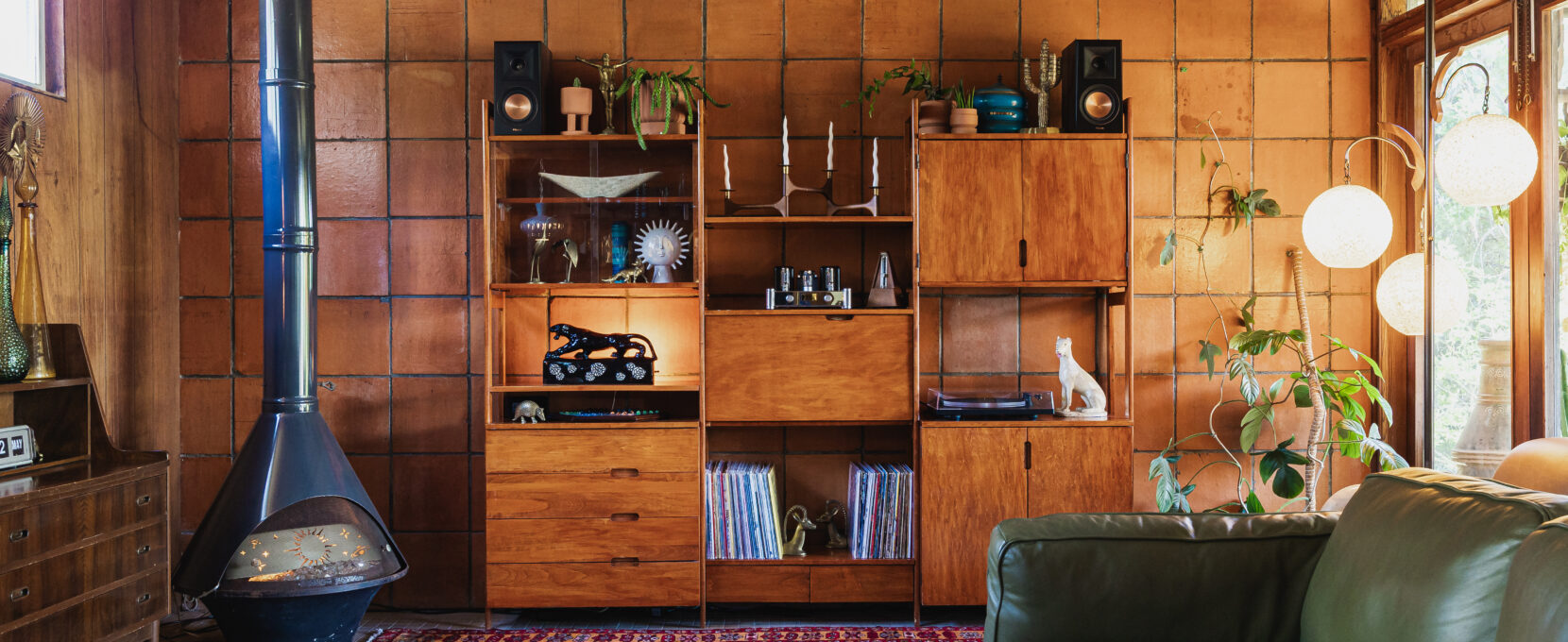
The living room’s centerpiece is a Malm-style fireplace, a freestanding Swedish design popular in mid-century homes because it freed the hearth from the wall, making it a beautiful sculptural element. Adjacent to the fireplace, a modular shelving unit spans the entire wall, every shelf a quiet inventory of the life built here. Vinyl records, plants and objects collected over time are on display. The couple runs Olive Blue, one of the best-curated vintage shops in the Coastal Bend, and the taste that made their store popular follows them home.
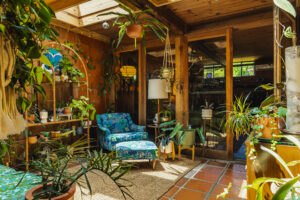
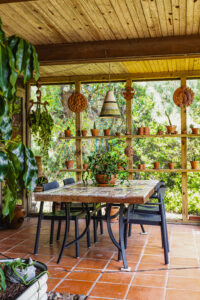
Much of the restoration effort focused on the kitchen. Diaz and Colunga partially gutted and redesigned it themselves, building the peninsula island piece by piece. The original stove remains, a deliberate nod to Williams and the home’s history. “I learned how to tile during that process and did the backsplash myself,” Diaz said. The horizontal teal paneling wrapping the kitchen bar echoes the linework in the wood ceiling above it, old architecture and new material in a quiet conversation.
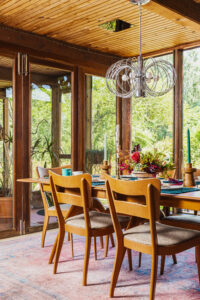
Encapsulated by windows on three sides, plants throughout, the yard just beyond the glass, and a Heywood -Wakefield Wishbone dining table with Dog Biscuit chairs at the center, this is a well-staged dining room where the couple host dinners, brunches, art nights and quiet evenings.
Beyond the glass, the pond Colunga built himself sits surrounded by the river rocks they uncovered while digging. Coastal birds gather there. In the evening, the sunset moves through the room, and everything goes quiet.
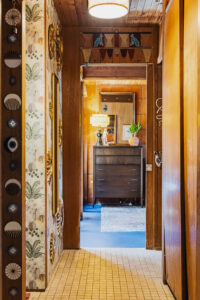
Scattered across nearly every room, without it ever being planned, is a sun. In art, in objects, in mirrors. A motif that arrived on its own and stayed.
“We were never trying to create something perfect,” Diaz said. “We were creating something that felt honest to us.”