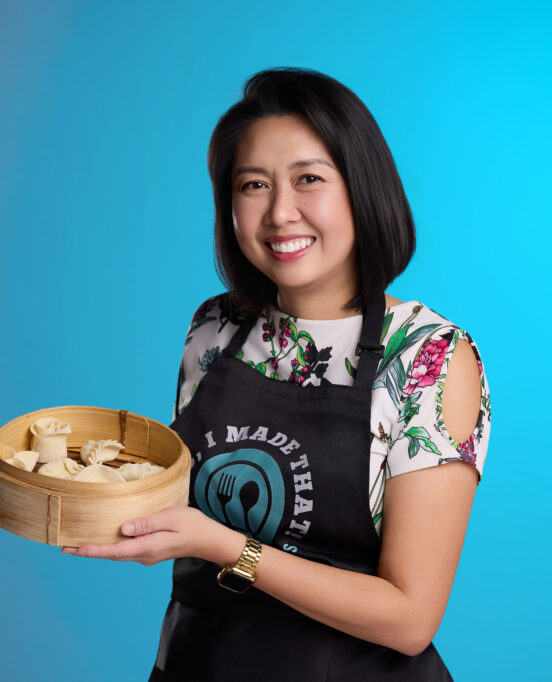
There isn’t much of Noemi Medrano’s life that doesn’t include memories of cooking. She found it quintessential in expressing herself and her appreciation for others. “I come from a culture that revolves around food,” the owner of local cuisine workshops, Mimi Kitchenboss, shared. “In the Philippines, our love language is food. Food is how we build, maintain and nourish relationships, new and old.”
That same sense of care and connection, of both people and culture, is baked into the Mimi Kitchenboss philosophy. After moving to Texas at the beginning of the pandemic, Medrano created an Instagram account to share her quarantine experience filled with cooking and baking. This eventually led to teaching a small group of friends how to make dumplings from scratch, and from there, word began to spread. More people wanted to learn from Medrano and Mimi Kitchenboss, as the culinary workshop it is today took off.
Kylie Cooper: For those just discovering Mimi Kitchenboss, how would you describe what you do?
Noemi Medrano: I describe myself more as a cooking host rather than a teacher, because I focus more on the overall culinary experience. We’re not here just to teach you a recipe; the internet can do that. We’re here to offer that personal touch, that tactile environment and that cozy, warm feeling of learning to cook a new dish with your friend. We offer approachable, fun cooking classes for all ages and skill levels that focus on Asian cuisines. The dishes and recipes we share are authentic and traditional, and we take you on a journey to discover the culture and history behind them. When you join a class, our goal is to make you feel welcomed, confident and happy. You come for the recipes; you return for the vibes.
KC: Most of your classes highlight Asian cuisines and techniques. How do you balance honoring tradition while making recipes approachable for home cooks?
NM: It’s vital to shine a spotlight on the unique cultural significance of each dish we present, so we make it a point to share about their origins, their traditional ingredients and their cultural impact. This is where the connection to the dish begins, and along the way, we further cultivate that by using and following customary elements as often as possible. At the same time, we break it down to the basics so it’s never intimidating. No complicated chef jargon, no hurried instructions, just clear and encouraging information and guidance. It’s also in the engaging energy we foster in each class. My teaching style is like learning from your favorite auntie.
KC: How do you decide what dishes to teach?
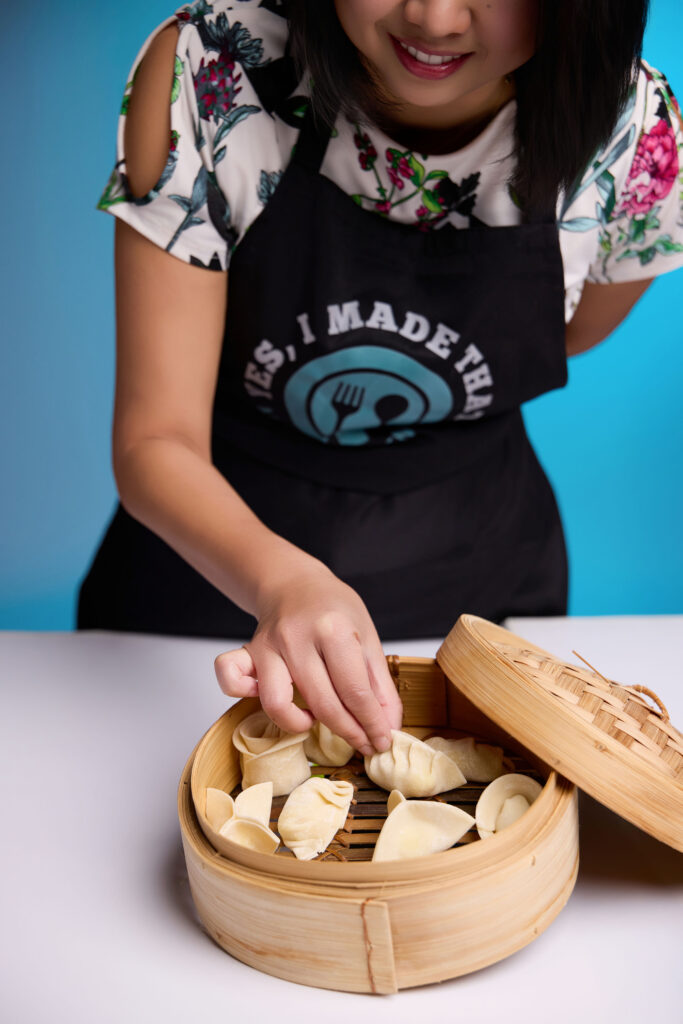
NM: In the beginning, I leaned heavily toward Asian dishes that were globally popular, like Chinese dumplings and Filipino lumpia. These dishes are already enjoyed and highly recognized in the U.S., so they were instantly attractive and easily marketable as a cooking class. Later on, I chose dishes that were a little bit more challenging, both for the palate and for the cooking skills involved, like pancit, pineapple fried rice and beef stir-fry. I also wanted to share dishes that were versatile and easily adaptable to different preferences, like how you can make it vegetarian or gluten-free. [In selecting the recipes, I also ensure that] a dish includes an ingredient or a cooking technique that can be used beyond the recipe we learn in class.
KC: How do you weave history into your class, especially for those who may be encountering dishes for the first time?
NM: This is what’s beautiful about food and cooking in general: The mere act of eating and cooking together already establishes and strengthens intercultural relationships. All you need is an open mind and a sense of curiosity. We encourage students to ask questions and ensure that everyone knows and feels it’s a safe space; no question is wrong or invalid. The teaching focus is on learning about new ingredients, fixing common mistakes and achieving that authentic flavor at home. What’s the difference between light and dark soy sauce? I got you. What is miso, and is there a substitute for it? Get a pen and paper; we’ve got answers for days.
KC: What is the importance of hosting classes at the Texas State Museum of Asian Cultures and Education Center?
NM: The museum has been instrumental in the success and popularity of Mimi Kitchenboss. Our collaboration is rooted in the common goal of bringing engaging Asian experiences, activities and knowledge to the Coastal Bend. They discovered my project and saw an opportunity for mutual growth. They invited me to bring my cooking classes there, which provided the space to host larger classes and reach more people. It’s incredibly humbling to be part of their esteemed program and to receive their support since the beginning. I think it’s rare to find a collaborator who goes the extra mile to uplift and champion you, as the museum has done for us. We work closely together on many aspects of the classes; they provide insightful information on what may or may not be a good dish to teach.
KC: What’s been one of the most rewarding moments you’ve experienced while teaching a class?
NM: There have been a lot of moments where I had to stop and pinch myself to make sure they’re real. We have been part of occasions such as birthdays and anniversaries, and to be invited to share in those special moments is very heartwarming. I always feel immense pride when I see young students take on these classes, and you see their confidence and enthusiasm blossom right before your eyes. I genuinely enjoy receiving pictures from students of the dishes they made. It’s heartwarming to hear them express their joy in confidently recreating recipes at home. Another extremely rewarding element of these classes is the genuine friendships and connections I’ve made with a lot of my students. The effort they put in to attend multiple classes, the miles they travel just to make it — I am so thankful for each and every one of them.
KC: How do you see Mimi Kitchenboss continuing to grow or evolve?
NM: The dream is to establish a culinary and creative arts studio where I can continue hosting cooking classes and also provide an avenue for other creative, passionate people to host their own workshops. I want to see Mimi Kitchenboss expand beyond Asian cuisine and offer more dishes from cuisines around the world. With this concept, I see cooking and baking workshops, sewing classes, sculpting and glassmaking studios and more. There is definitely room in the Coastal Bend for this kind of space. The community and the city are growing and evolving, and with that, there is a drive for unique experience-based activities and spaces.
KC: What advice would you give before attending one of your classes for the first time?
NM: Choose a class with a dish that you already enjoy or are very interested in learning to cook, and from there, just embrace and enjoy the experience. The classes are specifically designed for novice cooks, curious foodies and people who want to discover new flavors and ingredients. Even if you come alone, you will feel a sense of belonging from the hosting team, the museum staff and especially from the other attendees. Since the class is divided into groups, you will find yourself with people in the same boat; some are first-timers and some will be repeat students. Together, you build a unique camaraderie that just feels familiar and welcoming. Before you know it, the class is over, and you’ve just learned how to prepare a new dish and made some new friends along the way!
KC: When you aren’t busy cooking with or for others, what local restaurants top your list of favorites?
NM: It’s been an exciting few years in the Coastal Bend because the food and restaurant scene has just been exploding. I try to stay in the know by following local food content creators on Instagram. That said, there are a few places I go to consistently with my family when we go out to eat. Butter’s BBQ in Sinton is an easy answer; we cannot get enough of their mouthwatering BBQ, and we’ve been ardent fans even when they were still in their Mathis location. (I’m still waiting for them to bring back their dino ribs!) Lei Kitchen is our go-to for pho; be sure to get that extra serving of tendon. Dao Authentic Chinese Cuisine is for when I have a hankering for Chinese food and ODI’s Pizzeria for authentic Napoletana pizzas that are to die for. YOLA Cocina Mexicana is a fantastic choice for date nights; the ambiance is great, the cocktails are delicious and the appetizers are divine.
Contact: @mimi.kitchenboss