

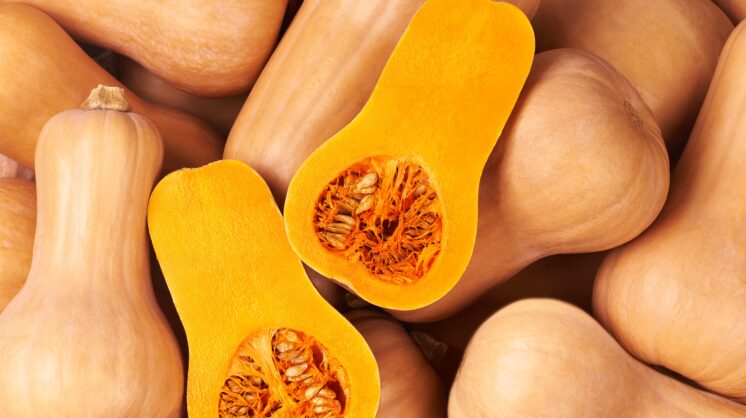
September is the perfect time to plant both summer and winter squash in your garden, as the heat of early fall leads to cool weather for the harvest. Plus, planting squash now means the Thanksgiving and Christmas tables will be filled with your own bounty.
Planting warm-weather vegetables in September provides many advantages to the gardener. There is plenty of heat in early fall to hasten the maturity of the plants. Then, as the fruit matures in late fall, the cooler weather means less heat stress and fewer pests. Fall is, in many ways, the best time of year to garden in the Coastal Bend.
Both types are delicious, nutritious and easy to grow in our area, but there are a few differences in summer and winter squash for the gardener to consider.
Summer squash, which grows as a bush with large leaves, is also referred to as bush squash. It has thin, edible skin and should be eaten as soon as it ripens, as it does not store well. Examples include zucchini, yellow crookneck, scallopini and lemon squash.
Now for the winter squashes, which grow on large-leaved vines that can reach up to 10 feet in length for some varieties. Winter squash varieties—such as butternut, acorn, spaghetti, delicata and hubbard—are named for their ability to be stored in root cellars throughout the winter. Unlike summer squash, they have tough skins and require a longer maturation period.
Whether planting from seed or transplant, be sure to provide plenty of water in the heat of September to keep the tender young plants alive. In fact, when planting transplants, have a bucket of water nearby to immediately water the new planting.
Gardener’s Notes
Growing Up: Spacing, bush: 24” to 36”. Spacing, vines: mounds 6’ apart. Can plant from seed, but best planted from transplant. Rich, well-drained soil. Squash are heavy feeders. Add three or more inches compost to soil. Mix two cups native wood ash per plant or mound into compost. Add two cups pastured poultry manure per plant or mound when planting, then two more cups side-dressed at first fruit. Water regularly, especially in September heat. Mulch with native leaves.
Profiling: Winter squash vines can be quite expansive, potentially overshadowing other garden plants. When planting, create compost mounds about 10 inches high and six feet apart. Each mound requires approximately 20 pounds of compost. Sow three to five winter squash seeds in the center of each mound, allowing the vines to spread and fill the space between them.
Fun Facts: When the Pilgrims landed at Plymouth Rock in 1620, the first crops they planted were corn, beans and squash using a Native American companion planting technique called The Three Sisters. The Pilgrims learned this planting method from the legendary Squanto. We actually get our word for the vegetable from its Narragansett term, “askutasquash.”