

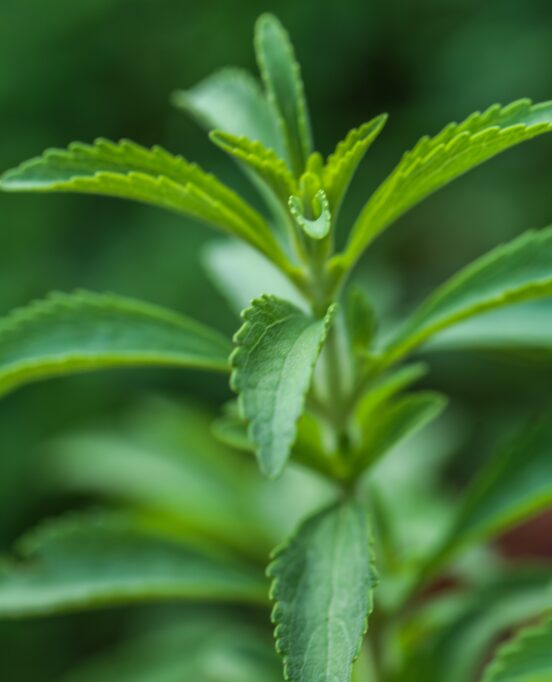
The August heat can be challenging for Coastal Bend gardens, but certain plants, such as stevia, thrive. Stevia is easy to grow, beautiful—and best of all, sweetest in hot weather.
A flowering herb known for the sweetness of its leaves and stems, stevia is considered an annual in the Coastal Bend, since it dies in the first frost or freeze. For the gardener, this is no problem. At the onset of winter, simply replace the plants with dill, cilantro or parsley and keep the garden growing.
Stevia is up to 300 times sweeter than cane sugar, and despite this concentration of sweetness, it has a minimal influence on blood sugar levels. Since 2008, the FDA has deemed it safe; and it is frequently used as a sugar substitute globally.
The best, however, comes from your own garden—our children have grown up chewing the leaves of their own plants. Fresh stevia, along with mint, are essential for our summer iced tea, and delightful additions to cocktails enjoyed on a the patio.
The leaves can by dried and added to baking recipes, as well. To cook with stevia, adjust the recipe for less stevia than cane sugar and add a bulking agent, such as applesauce, to account for the missing sugar.
Stevia also makes a wonderful potted plant. Give it as much direct sunlight as possible and protect it during freezing temperatures. A potted stevia in a kitchen window can satisfy the sweetest sweet tooth year-round.
Gardener’s Notes
Growing Up: Spacing, 15”. Height, 24” to 36”. Warm weather annual. Full sun. Requires rich, well-drained soil. Add 4” organic compost at planting, plus one cup pastured poultry manure and one cup homemade wood ash per plant. Slow but easy to germinate from seed; best planted from transplant. Stevia requires frequent, intensive watering during summer. Water base of plants with rain function of garden hose or drip irrigation. Heavily mulch with native leaves to keep soil cool.
Profiling: In early growth, regularly pinch top leaves to stimulate bushy growth. Harvest by clipping no more than 1/3 of stems at a time. Take regular cuttings to stimulate growth and keep plant compact and lush. If stevia becomes tall and leggy, clip the top half of the plant to stimulate new growth. Stevia produces lovely white edible flowers. For vibrant color and flavor, add stevia to your bouquet. It will last about a week in a vase; just make sure not to refrigerate.
Fun Facts: A little stevia goes a long way. To dry stevia, use a food dehydrator or hang branches upside-down in a cool, dark place above a cloth to catch fallen leaves. Roughly crush leaves in a mortar and pestle, then place in a tea ball to sweeten tea. Or, use a very clean herb or coffee grinder to pulverize dried stems and leaves into powder. Add powder to sweeten drinks and stir until dissolved.