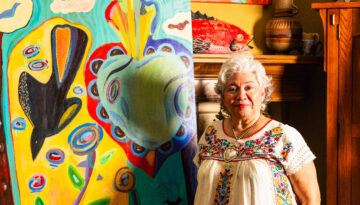
When Sandra walks through Casa La Paloma today, she sees more than a completed renovation. The single mother with health challenges sees restoration of structure, of purpose and of peace.
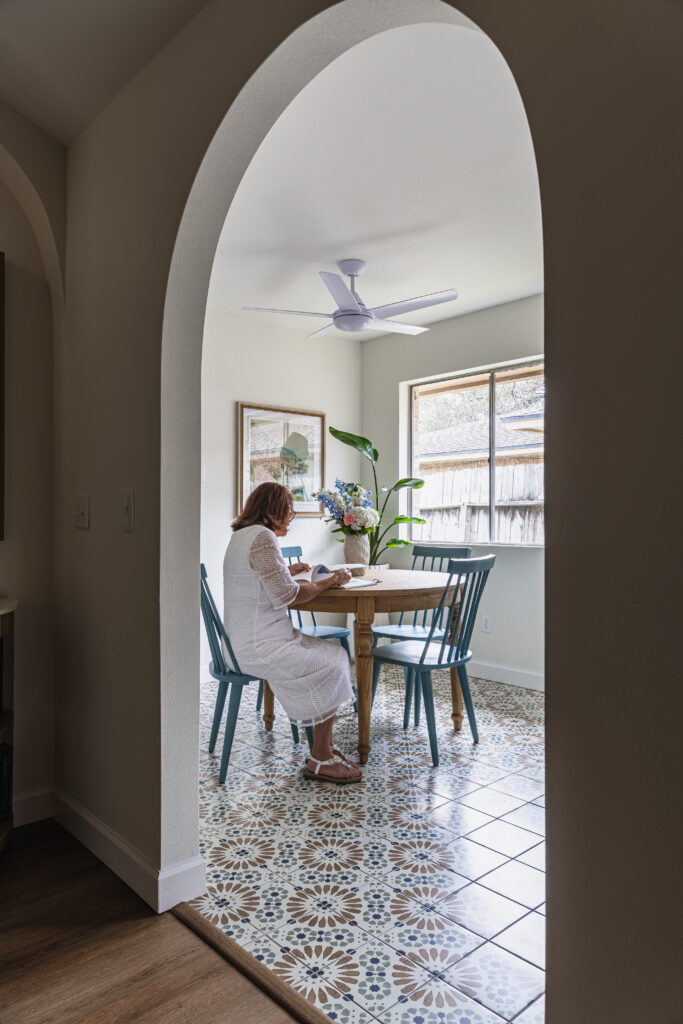
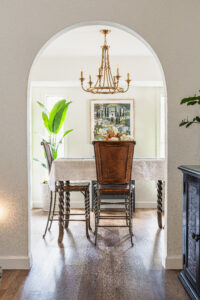
What was once stripped to its framing has been thoughtfully reimagined with timeless architectural detail and deeply personal intention. The most striking addition is a series of five interior arches that now define the home’s flow. Inspired during an Easter visit to Mission Espíritu Santo in Goliad, Sandra admired the mission’s simple curved corridors and said aloud, “I would love for my house to have arches.” Her daughter gently responded, “Why don’t you just do it?”
That small exchange sparked a transformation. Today, those arches soften transitions between rooms, frame light and subtly honor both Spanish Colonial architecture and Sandra’s Salvadoran heritage.
Before beauty could be layered in, the home required serious structural repair. Significant foundation issues led to a six-month renovation that Sandra described as “living inside a whale” — walls opened, floors exposed, everything taken down to rebuild correctly. Through the challenges of life and a remodel, she trusted the process, staying closely involved in every decision.
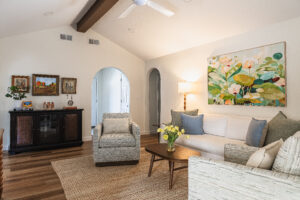
The main family room now feels calm and restorative. A vaulted ceiling with a rich wood beam draws the eye upward, while a pale brick fireplace anchors the space with warmth and texture. Neutral upholstery, tailored swivel chairs and woven natural fiber rugs create a collected, coastal ease without feeling themed. The architecture carries the room; furnishings support it. Light settles into the arched alcoves flanking the fireplace, adding dimension throughout the day.
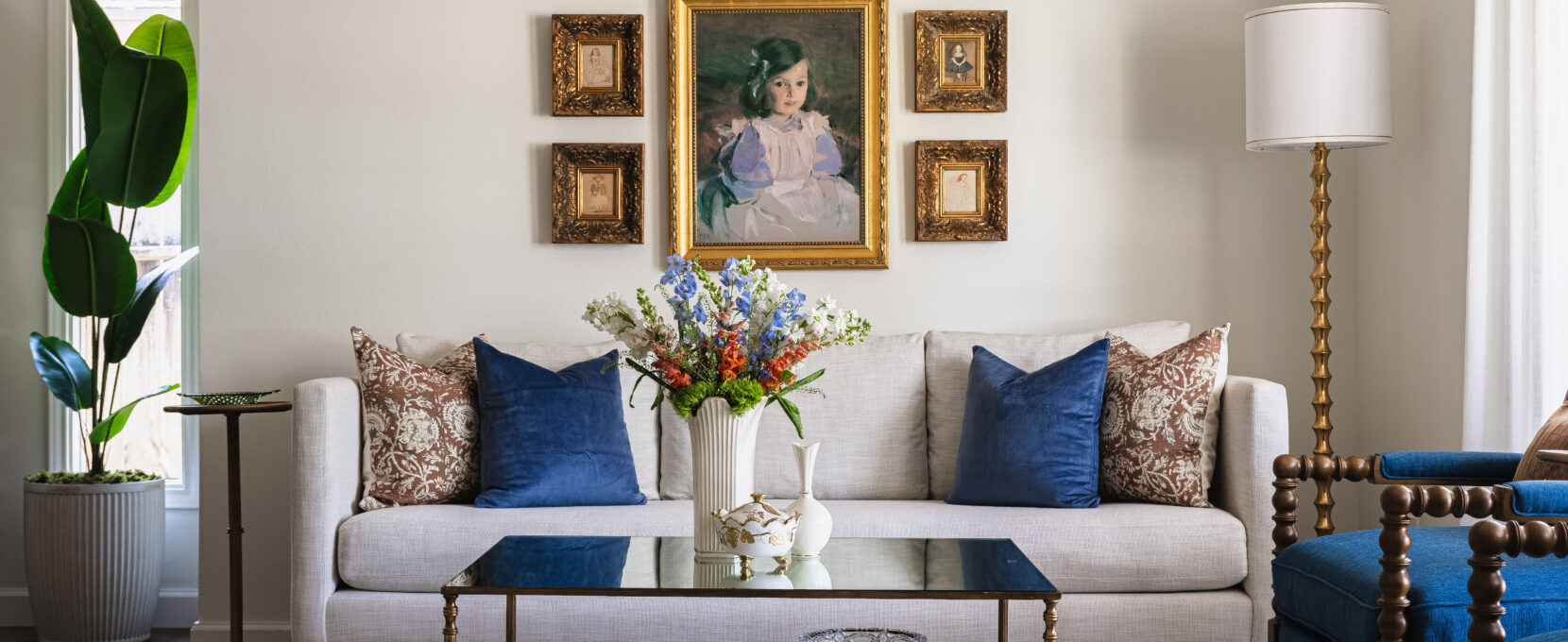
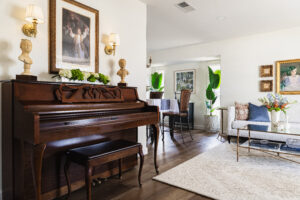
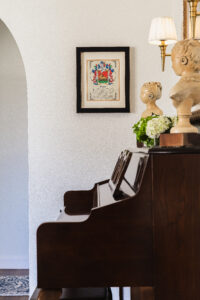
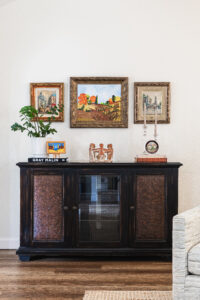
In the more intimate sitting room, history takes center stage. A piano—where all five of Sandra’s children learned to play—remains proudly positioned. Above a tailored ivory sofa, a collection of heirloom frames surrounds a central portrait. Brass and glass tables introduce lightness, while deep blue accent chairs ground the palette. Linen drapery softens the room, allowing it to feel refined and welcoming.
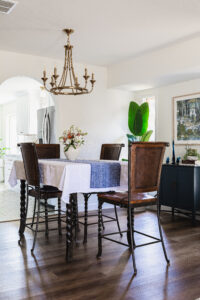
The dining area features a satin brass chandelier with six candles resting on a single ring—a quiet symbol of unity, representing Sandra and her five children. It’s a subtle but meaningful design element layered into the architecture.
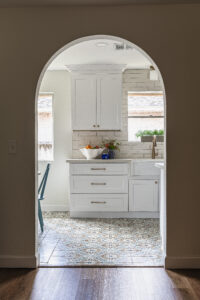
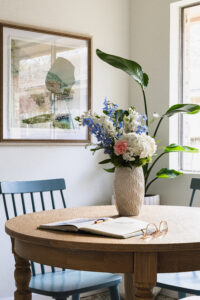
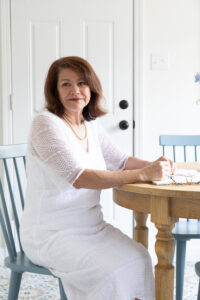
The kitchen introduces patterned tile that adds vibrancy without overwhelming the home’s cohesive calm. For nearly nine years, this house doubled as a classroom, with books stacked high and lessons stretching around the table.
Now named Casa La Paloma, which translates to The Dove’s House, the home continues to serve others. For 25 years, Sandra has taught Spanish and, more recently, has begun helping individuals prepare for U.S. citizenship within these walls. The renovation did not change the home’s purpose; it strengthened it.
“If you build it, they will come,” she said, recalling the phrase that sustained her through construction. For Sandra, it meant creating a place her children would always want to return to. The renovation is complete, the foundation is restored and the purpose of Casa La Paloma continues.