

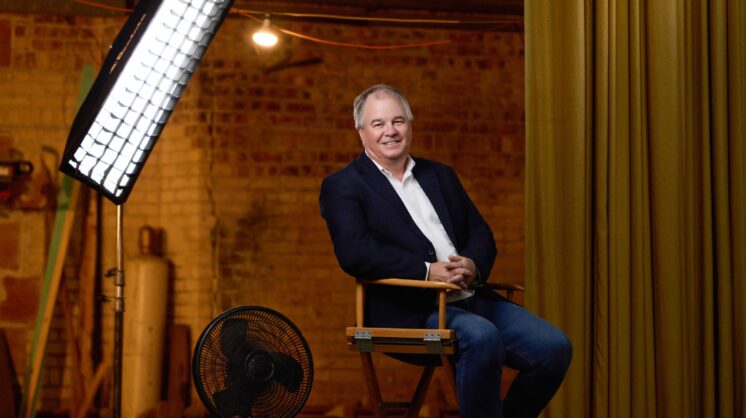
Arthur Seago’s first impression when walking into The Ritz Theatre was awe. “It’s impossible to stand in the Ritz and not feel its history,” the new executive director shared. A strong sense of responsibility quickly followed. “[This is] a building that has survived hurricanes, neglect, changing entertainment eras and shifting downtown landscapes.”
With over three decades of leading operational growth and elevating guest experiences in the entertainment and hospitality industry, Seago is particularly passionate about creating environments where people feel something. Now, at the helm of a once-in-a-generation rehabilitation project, he’s inspired by the community’s long-term fight to save it, the momentum behind its restoration and the partnerships in place to make it a reality.
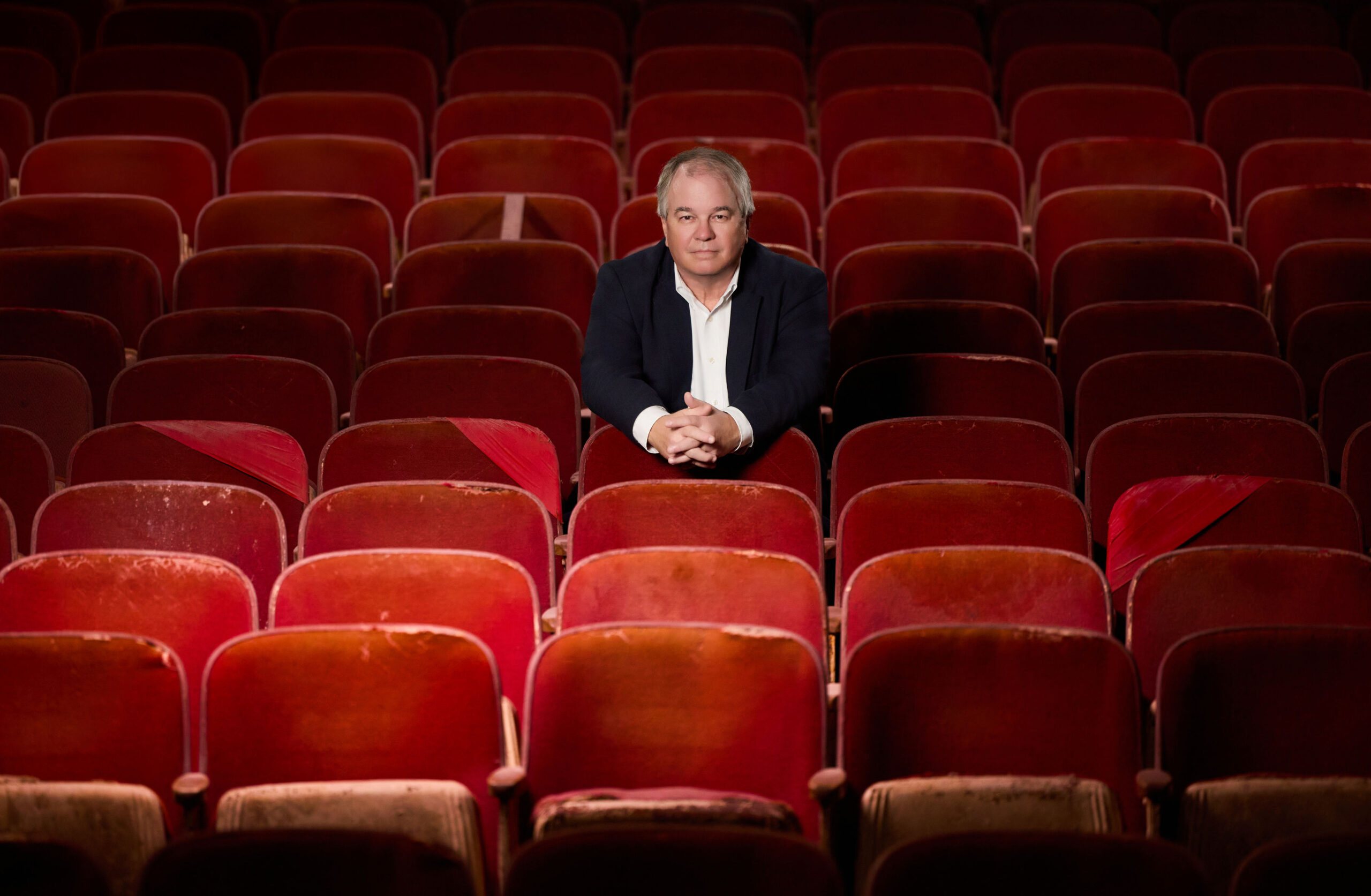
Kylie Cooper: What are a few of your immediate and long-term goals for the Ritz, and what needs to happen behind the scenes to make them a reality?
Arthur Seago: In the immediate term, my focus is on two things: completing our pre-construction requirements and building a strong, well-coordinated capital campaign. Behind the scenes, that means aligning architects, engineers, the Texas Historical Commission and our board as we finalize timelines, budgets and approvals. Long-term, the goal is sustainability. That looks like diverse programming, a strong donor base, community and business partnerships and an operations plan that allows the Ritz to thrive for generations. When the doors open, I want the Ritz to offer film, live theatre, concerts, conventions, educational programming and community events. Getting there requires meticulous planning now.
KC: This past summer, the Ritz secured a $30M award from the Texas Preservation Trust Fund. How does this level of investment reshape what’s possible, and what will it allow the theatre to accomplish?
AS: Yes, this $30M award from the State of Texas will go a long way toward rehabilitating the historic Ritz Theatre. Although the grant was announced in June, there is a detailed process before funds begin to flow, and by the time readers see this, we expect to have received our first round of funding. This investment allows us to restore the original 1929 building and bring it back to life in a safe, functional, historically accurate way.
KC: With this $30M, what does the rest of the capital campaign’s fundraising look like?
AS: We will still need to raise an additional $30M to construct the new building addition—space that will allow the Ritz to truly serve the community at the level it deserves. This addition will include concessions, restrooms, elevators and flexible event and educational spaces that expand what the Ritz can offer far beyond traditional performances. These elements aren’t requirements; they’re investments in creating a modern, versatile, community-centered venue.
While it is a significant amount to raise, the conversations already underway with local businesses and individuals make me incredibly optimistic. The support is real, the excitement is growing and I firmly believe the Ritz will reopen well before its 100th anniversary.
KC: Historic restoration can be complex and at times misunderstood. What’s something people might not realize about the process of bringing a century-old venue back to life?
AS: People often assume rehabilitation is mostly cosmetic: fresh paint, new seats, polished floors. In reality, rehabilitating a 1929 theatre is far more like performing delicate surgery on a historic structure. You’re stabilizing the building, repairing or replicating original features, updating systems that never existed in the early design and ensuring every change aligns with strict preservation standards. You also encounter surprises hidden for generations. Every decision must balance honoring the building’s historic character with meeting today’s requirements for safety, accessibility and functionality. It’s detailed, highly specialized work, but the outcome is a theatre that retains its soul while being prepared to serve the community for the next 100 years.
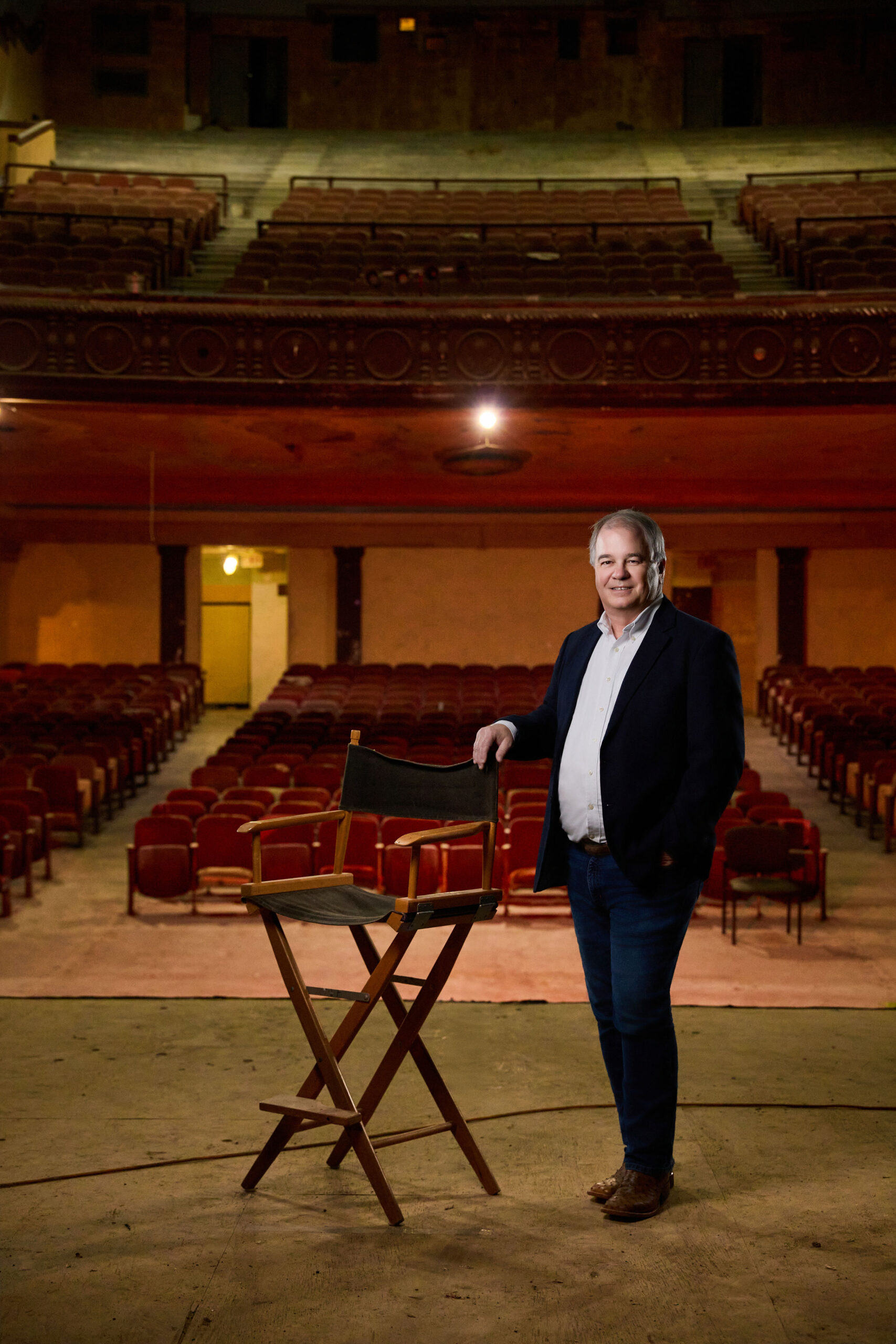
KC: The revitalization involves nationally respected partners like OTJ Architects and Schuler Shook. What has it been like collaborating with this team of specialists, and how are they shaping the future of the Ritz?
AS: While I haven’t yet had the opportunity for deep, hands-on collaboration with OTJ Architects, Schuler Shook, or our other partner firms, that will change quickly. Even from early interactions, it’s clear we’re working with an outstanding team. These firms have rehabilitated some of the most iconic historic theatres in the country, and they bring an exceptional level of expertise, creativity and respect for preservation. What excites me most is their ability to honor the original character of a historic venue while designing for the needs of modern audiences and performers. As we move forward together, their guidance will shape everything from the technical systems hidden behind the walls to the experience audiences feel the moment they walk through the doors.
KC: The upcoming Silents Synced series has already generated excitement. What inspired this new program, and what can audiences expect from the experience?
AS: The Silents Synced program is part of our new Ritz Spotlight Series, which is designed to give the community a preview of the kinds of experiences we’ll be able to offer once the theatre reopens. We didn’t want to wait until construction was finished to start sharing the spirit of the Ritz. So, the Spotlight Series lets us bring creative, unexpected programming right now.
Silents Synced is just one example. This year, we’re planning a full lineup of series events ranging from concerts to dance to magic shows, along with a few surprise guests—possibly even a celebrity or two.
KC: Once fully operational, what do you think the Ritz Theatre will bring to Corpus Christi?
AS: Culturally, the Ritz will be a hub for arts, film, music and storytelling; a place where the community comes together. Economically, it will drive foot traffic downtown, support local businesses, create jobs and host events that attract people from across the Coastal Bend. Creatively, it will give local artists—musicians, filmmakers, performers, educators—a stage to share their work. The Ritz will be both a destination and a catalyst, helping reshape downtown into a vibrant cultural district.
KC: Fast-forward: In five years, how do you envision the Ritz? Looking even further ahead, what does success look like in 10 years?
AS: In five years, I see the Ritz reopened, alive with film, plays, concerts and community events. I see students on field trips, families attending weekend shows and visitors taking photos under the restored marquee. In 10 years, success looks like a thriving, self-sustaining arts hub that’s woven into the identity of Corpus Christi. It looks like a place where new memories are made every night, honoring its past while defining the future of entertainment in our city.
KC: What excites you most about calling Corpus Christi home?
AS: Although I haven’t lived in Corpus Christi since 1984, it has always been home to me. I started school at Smith Elementary and later moved out to Calallen in 1975, and those early years shaped so much of who I am. Even after I moved to San Antonio, my roots stayed firmly planted here. My wife, Rachelle, and I both have deep family ties in Corpus, and many of our closest lifelong friends still live here.
What excites me most about calling Corpus Christi home again is the chance to reconnect with the place that helped raise me, and to give something meaningful back. This city has always held a special place in my heart, and being part of bringing the Ritz back to life feels like the perfect way to honor where I came from while helping build its future.
Contact: ccritz.com | @ccritztheatre | 361.887.6055