

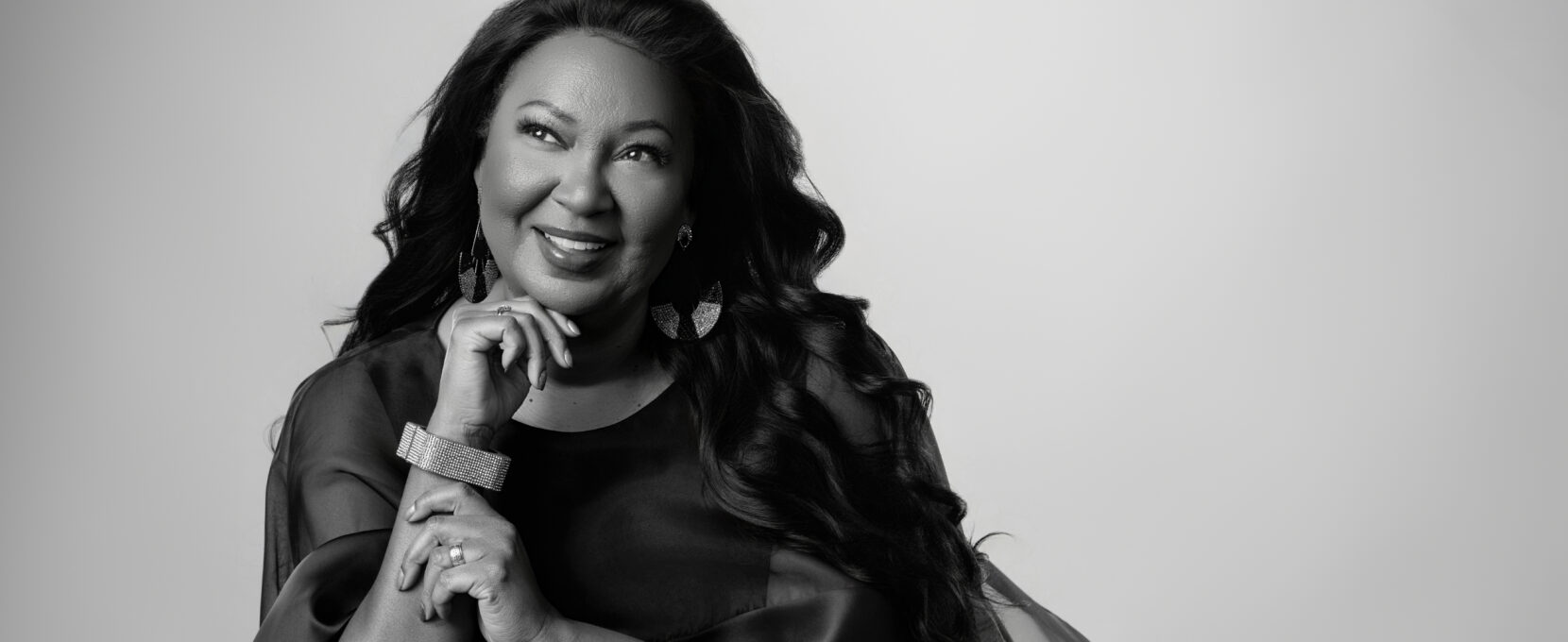
Steeped in the legacy of her mother Dorothy Benson-Brown—who transcended humble beginnings as a single mom working as a maid to become a beacon of academic excellence and community leadership—Thea Cain, in all that she does, echoes the enduring influence of cultural awareness and education.
Cain’s mother was one of the first Black students to attend a desegregated Del Mar College, where she would later become a professor and help to develop innovative reading skill workshops. In 1975, after traveling to other Texas cities and participating in large Juneteenth celebrations, she decided to emulate a similar gathering in Corpus Christi called Black Awareness Day, long before any iteration of the now annually celebrated Juneteenth Festival existed here.
Molded by a legacy of strength and community service, Cain carries the same torch her mother initially lit. She decided to pursue a teaching career to counter the scarcity of minority representation in education. “I remember thinking back, and I had never had a Black teacher,” Cain reflected. Her journey has since become a guiding light for those who seldom see themselves mirrored in these roles.
Having lived and worked in Oklahoma for two decades, Cain returned to her hometown of Corpus Christi in 2015 to care for her mother. She immediately felt called to help preserve cultural heritage and promote civic engagement, and joined the local chapter of the National Association for the Advancement of Colored People (NAACP) as the First Vice President. She also plugged herself into the Delta Sigma Theta Sorority and the local chapter of the Texas Association of Black Personnel in Higher Education.
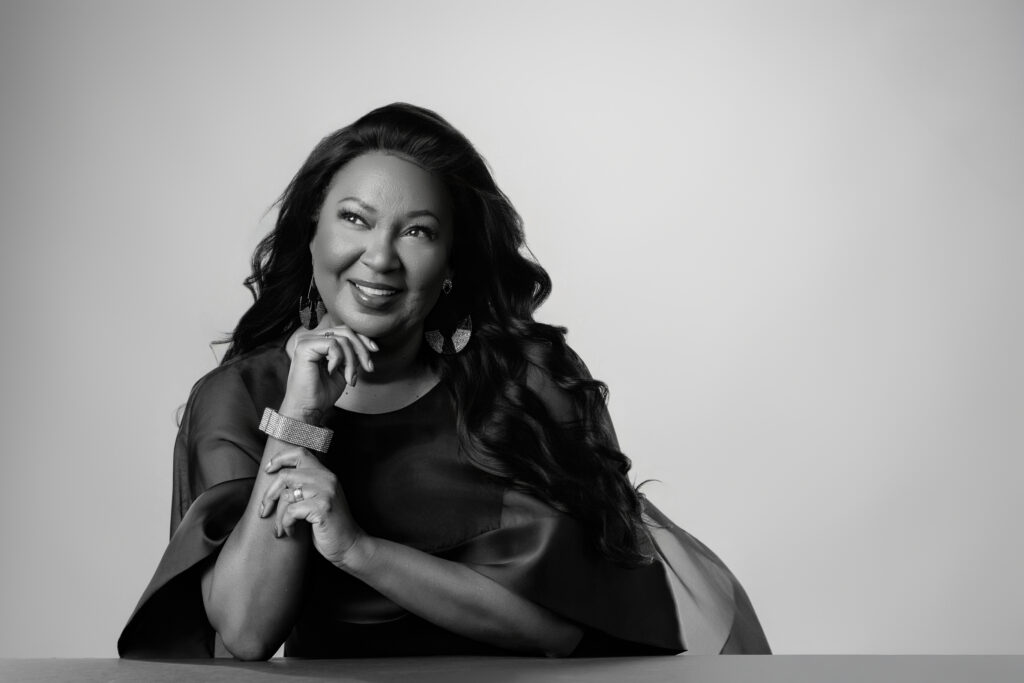
Adeptly integrating community service with her teaching philosophy at Carroll High School, Cain fostered an environment that encouraged students to explore their identities, emphasizing Black history as integral to the American narrative.
“These students need to know that Black history is American history,” Cain said. “We are not going to just ignore and not acknowledge the accomplishments of African Americans.”
Cain led efforts to introduce Black History Month programming that didn’t exist at the school prior—such as a fashion show celebrating traditional African American garments, instilling a sense of identity in students—and later founded the African American Culture Society at Carroll.
“At first, I noticed the Black students did not want to walk in the fashion show. They would act shy or almost ashamed,” she shared of the show’s first few years. Implementing the African American Culture Society in 2023 allowed those prior feelings of embarrassment to turn into pride.
“They had more of a sense of ownership,” Cain said. “We want to represent ourselves, where we come from and wear these styles and these patterns. We want to see what it looks like against our skin. They began styling each other and putting their own spin on things. It was just beautiful.”
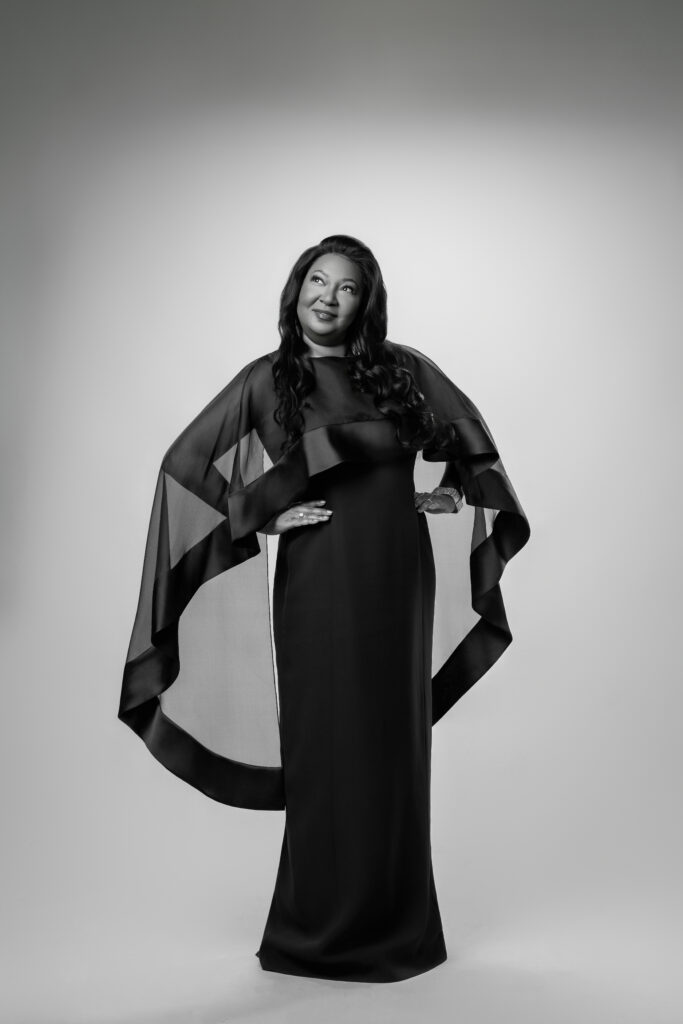
When asked how she managed to balance the time, energy and personal resources that go into not just being a teacher, but being a club sponsor and leading the yearbook team, Cain echoed the all-too-common truth of “If I don’t do this, then who else will?”
“If I’m not creating these spaces for them, then who is going to? And if I can provide this now, maybe that means others will pick up where I left off and be able to continue this for the next group of students and the ones after them,” Cain said. “It gives me a sense of pride that the work doesn’t end with me and my generation; that I’m leaving a legacy for those who are coming behind me.”
The legacy reverberating through Cain’s life is evident outside the classroom through her active involvement in organizations such as the NAACP as the Youth Works Chair, and the NAACP Youth Council, which she helped spearhead efforts to reinstate in 2023 after almost 10 years of dormancy. The council’s mission centers around activism and community engagement among youth in the Black community, offering a sanctuary where they can seek guidance on issues such as bullying, racism and academic struggles. The broader goal is to mold these young members into future leaders who will continue advocating for justice and equality within the NAACP and beyond.
“It instills in these young individuals that they have a voice; they have a choice and they don’t have to sit back and allow things to happen to them,” Cain said. “They can do things to provide their own opportunities, to advocate for themselves, to speak up for themselves and others.”
Though her teaching career will eventually come to an end, Cain sees herself continuing to serve her community through various initiatives and causes—whether it’s helping to ensure Black actors were cast in Harbor Playhouse’s recent run of Hairspray, in which Cain effortlessly smashed the role of Motormouth Maybelle, or working with the NAACP to speak on issues such as those facing the historically Black neighborhood of Hillcrest.
“Even though our Black community only makes up a small percentage of our population, about 4%, we are still a part of this community; we still live here; we still matter,” Cain said about her future goals. “And if I can be a voice in that, even with the challenges that come along with it, it’s a challenge I’m willing to face to be an advocate for my community.”
Cain’s constant pursuit of emboldening the next generation of leaders echoes what one can only imagine Dorothy Benson-Brown would have said herself: “We are not invisible, and we are valuable,” Cain concluded. “We need to be seen and we need to be accepted with all of our gifts and talents.”